Beyond the Brine: Finding Your Perfect Fish Sauce Substitute
Fish sauce is a cornerstone of countless Asian cuisines, a liquid gold renowned for its complex flavor profile. Made from small fish like anchovies fermented in salt over several months, it imparts a distinctive salty, savory, earthy, and undeniably "umami" taste, often with a subtle hint of sweetness and a unique fermented funk. From authentic Pad Thai to vibrant stir-fries and robust curries, its depth is truly transformative.
However, this potent condiment isn't for everyone, nor is it always available. Whether you're adhering to a vegan lifestyle, navigating common fish and shellfish allergies, or simply finding your pantry bare, the need for a reliable fish sauce substitute is a common culinary challenge. The good news? You don't have to sacrifice flavor. This guide will explore excellent, easy-to-find alternatives that ensure your dishes remain delicious and full-bodied, without the fish.
Unpacking the Unique Flavor of Fish Sauce
To find an effective fish sauce substitute, it helps to understand what makes fish sauce so special. It's far more than just salty. Its complexity comes from several key flavor dimensions:
- Saltiness: This is the most obvious and immediate flavor. Fish sauce is highly concentrated in sodium.
- Umami: Often described as the "fifth taste," umami is a deep, savory deliciousness. In fish sauce, this comes from glutamates and nucleotides released during the lengthy fermentation process, known as proteolysis, where enzymes break down fish proteins into concentrated savory compounds.
- Fermented Funk: This distinct aroma and taste is a hallmark of fermented foods and contributes significantly to the sauce's character.
- Subtle Sweetness: While primarily savory, a whisper of sweetness often rounds out the flavor, balancing the intensity.
Because of this intricate balance, no single alternative perfectly replicates every facet. However, by understanding these dimensions, we can strategically combine ingredients or select alternatives that mimic the most crucial elements for your dish.
Why You Might Need a Fish Sauce Substitute
There are several compelling reasons why home cooks and professional chefs alike seek a reliable fish sauce substitute. Each reason highlights a different aspect of dietary needs, health, or convenience.
Dietary Restrictions: Embracing Vegan and Vegetarian Lifestyles
For individuals following vegan or vegetarian diets, fish sauce is a clear no-go. Despite its powerful savory profile, it is unequivocally an animal product. This means that when a recipe calls for fish sauce, vegans and vegetarians must actively seek out an alternative or omit it entirely. It's also important for those new to these diets to remember to check ingredient labels on pre-made sauces or restaurant dishes, as fish sauce can be a hidden ingredient in many Asian-style foods, from stir-fries to marinades.
Managing Allergies: A Matter of Safety
Fish and shellfish are among the most common food allergens in the U.S., according to the Asthma and Allergy Foundation of America. An allergic reaction occurs when the body's immune system mistakenly identifies a harmless food protein as a threat, triggering symptoms that can range from mild (hives, digestive upset) to severe (anaphylaxis). For those with fish or shellfish allergies, consuming fish sauce is not an option and can be extremely dangerous. Finding a safe, allergy-friendly fish sauce substitute is paramount for their health and well-being.
Pantry Shortage or Inaccessibility: Cooking on the Fly
Even if you have no dietary restrictions or allergies, you might still find yourself in need of a fish sauce substitute. Fish sauce, while increasingly common, can still be a specialty item. It's typically found in the Asian or ethnic food section of larger grocery stores or in dedicated Asian supermarkets. If you live in an area with limited access to such stores, or if you simply ran out and can't make a quick trip, knowing a few pantry swaps can be a lifesaver for completing your recipe.
Top Vegan, Allergy-Friendly & Easy Pantry Swaps for Fish Sauce
Here's a breakdown of excellent alternatives, focusing on their unique contributions and how to best utilize them as a fish sauce substitute.
1. Soy Sauce or Tamari (for Gluten-Free)
Replaces: Saltiness, Umami, Savory Depth
Soy sauce is arguably the most common and accessible fish sauce substitute. It delivers a robust salty and umami punch, making it a fantastic base. For those avoiding gluten, tamari is an excellent, usually gluten-free alternative that offers a very similar flavor profile. Coconut aminos are another great choice, providing a soy-free, gluten-free, and often lower-sodium option with a slightly sweeter, milder flavor.
- How to Use: Use a 1:1 ratio as a starting point, but taste and adjust. Since soy sauce lacks the distinct "fishy" note and often the same deep funk, you might want to enhance it.
- Tip: For an added layer of complexity, try combining 1 tablespoon of soy sauce with a tiny splash of rice vinegar and a pinch of sugar. This mimics the salty, savory, and sweet elements of fish sauce more closely.
2. Mushroom-Based Umami Boosters
Replaces: Deep Umami, Earthiness
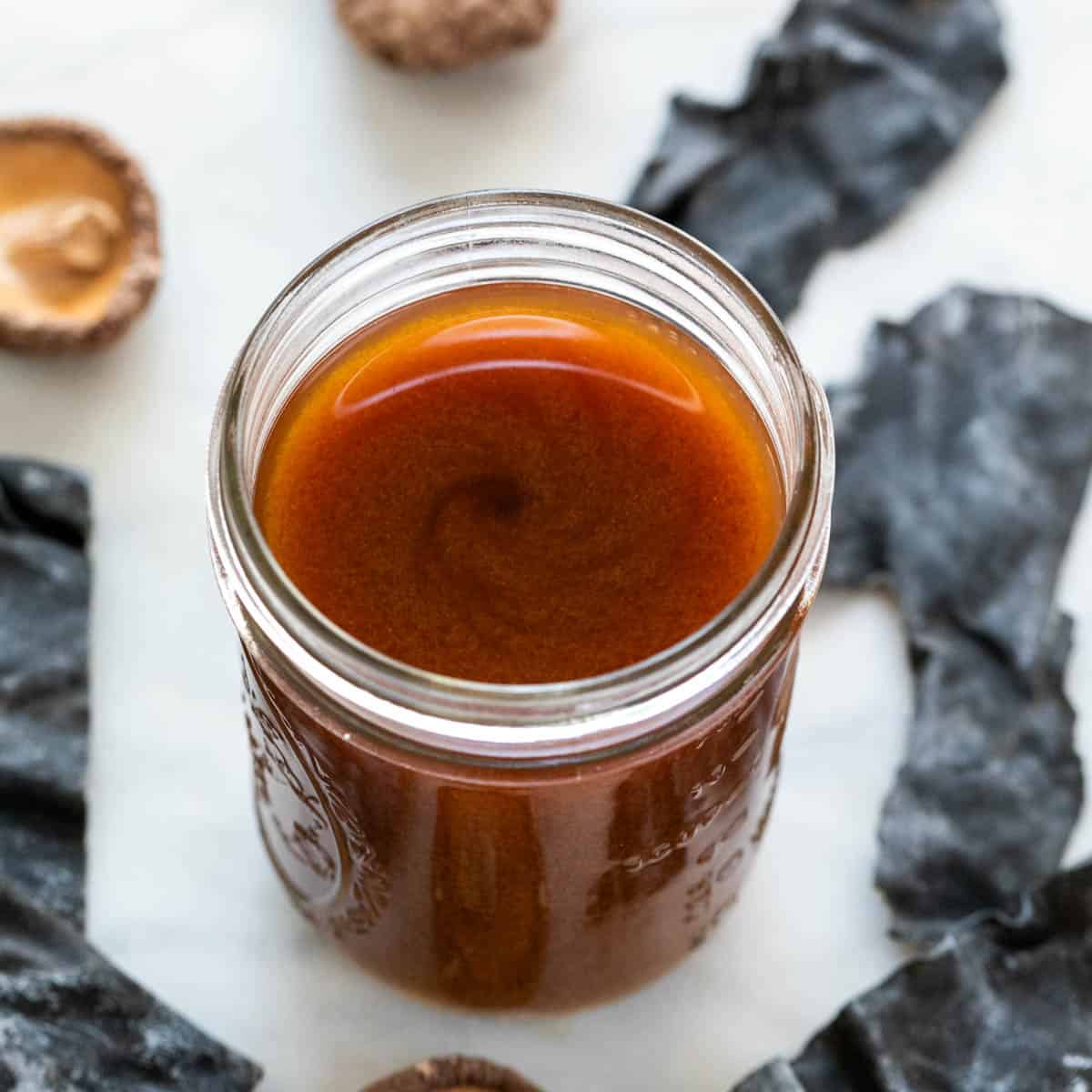
Dried mushrooms, particularly shiitake, are umami powerhouses. When rehydrated, their soaking liquid becomes a rich, savory broth that can stand in for some of fish sauce's depth.
- How to Use: Soak a few dried shiitake mushrooms in hot water for 20-30 minutes. Strain and use the liquid as your umami base. You can also finely mince the rehydrated mushrooms and add them to dishes. Mushroom powders (e.g., porcini powder, shiitake powder) are even more concentrated and can be added directly to recipes, usually ½ to 1 teaspoon per tablespoon of fish sauce needed.
- Tip: Combine mushroom broth with soy sauce for a more complete flavor profile, replacing both the umami and saltiness.
3. Seaweed Blends or Kelp Granules
Replaces: "Oceanic" Notes, Umami
For a subtle hint of that briny, oceanic flavor without any actual fish, seaweed products are an excellent choice. Nori, kombu, and dulse can all contribute unique notes.
- How to Use: Steep a piece of kombu in hot water for a quick dashi-like broth, then use it as part of your liquid base. For a more direct application, finely ground kelp granules or dulse flakes can be added in small amounts (¼ to ½ teaspoon per tablespoon of fish sauce) to savory dishes, particularly stir-fries or soups, to infuse a mineral-rich, sea-like depth.
- Tip: Create a homemade "vegan fish sauce" by simmering rehydrated dried mushrooms, kombu, and a bit of soy sauce with garlic and ginger, then straining.
4. Miso Paste
Replaces: Fermented Funk, Umami, Saltiness
Miso, a fermented soybean paste, brings a wonderful depth of flavor, including significant umami and that coveted fermented funk. It's salty and rich, making it a potent fish sauce substitute.
- How to Use: Miso is very concentrated, so start with a smaller amount. Dissolve ½ to 1 teaspoon of white or yellow miso paste in a tablespoon of warm water before adding it to your dish. Adjust to taste.
- Tip: Miso works particularly well in marinades, dressings, and hearty stews where its robust flavor can shine.
5. Commercial Vegan Fish Sauce Products
Replaces: All dimensions, specifically formulated for resemblance
As plant-based eating grows, so does the availability of specialized products. Many brands now offer vegan "fish sauce" alternatives, often made from seaweed, mushrooms, and soy protein, aiming to replicate the taste and aroma as closely as possible.
- How to Use: Follow the product's instructions, typically a 1:1 ratio. These are often the most straightforward substitutes for achieving a very similar profile.
- Tip: Read reviews and experiment with different brands to find the one that best suits your palate.
Tips for Substituting Fish Sauce Successfully
Mastering the art of the fish sauce substitute isn't just about knowing your options; it's about smart application.
- Start Small and Taste: Fish sauce is potent, and so are many of its alternatives. Begin with half the amount a recipe calls for, then taste and adjust. It's easier to add more flavor than to dilute too much.
- Consider the Dish's Dominant Flavors: For dishes where fish sauce is a background note, a simple soy sauce swap might suffice. In recipes where it's a star (like Pad Thai), you might need to combine substitutes to build complexity.
- Focus on Umami: This is often the hardest element to replicate. If your dish feels like it's missing something, it's likely umami. Reach for mushroom-based options or a dash of miso.
- Balance Saltiness: Most substitutes are salty. Be mindful of other salty ingredients in your recipe and adjust accordingly to avoid an overly saline dish.
- Don't Expect an Exact Clone: Accept that your dish will taste slightly different, but it will still be delicious and uniquely yours. The goal is a well-balanced, flavorful meal, not a perfect mimicry.
For more in-depth guidance on achieving that elusive umami, explore Unlock Umami: Top Fish Sauce Alternatives for Authentic Flavor, and for a broader perspective on various swaps, check out Fish Sauce Swaps: Your Guide to Flavor, Umami & Vegan Options.
Conclusion
The absence of fish sauce doesn't mean compromising on flavor or authenticity in your cooking. With a diverse array of vegan, allergy-friendly, and pantry-staple fish sauce substitutes at your disposal, you can confidently recreate your favorite Asian dishes and explore new culinary horizons. Understanding the unique components of fish sauce allows you to strategically select and combine alternatives, ensuring your meals are rich in umami, perfectly balanced, and cater to every dietary need. So go ahead, experiment, and discover a world of delicious possibilities without the fish!
